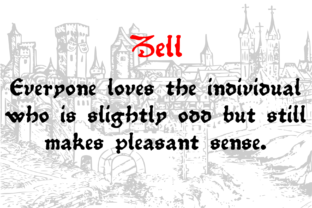
Zell: A Historic Blackletter Font for Modern Crafters
There is a distinct satisfaction in holding a handmade product that feels timeless. As creators, we know that the difference between a good item and a great one often lies in the details, specifically the typography. When I am designing labels for my small batch candles or laying out wedding invitations, I need a typeface that commands attention while respecting tradition. This is where Zell becomes an indispensable tool in my design arsenal. Rooted in the history of early printing, this font offers a bridge between the incunabula era and modern commercial craft, providing a unique aesthetic that stands out in a crowded marketplace.
Zell is not just another digital download; it is a revival of a style pioneered by Ulrich Zell, a student of Johann Fust and Peter Schoeffer who established his firm in Cologne between 1463 and 1466. Working until 1502, Zell produced over 120 publications, leaving a legacy of clarity within the complex world of Blackletter. For us as makers, this historical pedigree translates into a font that possesses genuine character. Unlike some decorative fonts that sacrifice legibility for flair, Zell maintains the structural integrity of traditional Gothic script while remaining readable enough for practical application on physical goods.
Elevating Product Presentation with Historical Charm
In the world of handmade business, brand identity is everything. Your customers often make split-second decisions based on the visual appeal of your packaging. Using a premium display font like Zell can instantly elevate the perceived quality of your items. Imagine a rustic farmhouse sign sold at a local market; the sharp, angular strokes of this Blackletter style evoke a sense of heritage and craftsmanship that a standard sans serif simply cannot match. It tells a story before the customer even reads the words.
I have found Zell particularly effective for short phrases, names, and titles. It shines when used for:
- Candle Labels: The bold weight creates a striking contrast against kraft paper or minimalist glass jars.
- Wedding Welcome Boards: It adds a formal, elegant touch to large format prints that greet guests.
- Boutique Tags: Perfect for hang tags on clothing or jewelry, giving a boutique feel to home-sewn items.
- Holiday Packaging: Ideal for Christmas ornaments or limited edition holiday boxes where a traditional vibe is desired.
The emotional appeal of this font is significant. It triggers associations with old-world apothecaries, classic literature, and artisanal quality. When a customer sees Zell on a soap label or a coffee bag, they subconsciously attribute those same values of durability and care to the product inside.
Practical Application for Cutters and Printables
For those of us using Cricut or Silhouette machines, working with Blackletter fonts can sometimes be tricky due to the intricate details and close proximity of strokes. However, Zell is surprisingly robust. When preparing files for vinyl cutting, I recommend sizing the text appropriately. While it works beautifully for large wall decals, it may lose definition if scaled down too small for tiny stickers. For product labels that will be printed rather than cut, Zell holds up remarkably well even at smaller point sizes, provided there is sufficient contrast between the ink and the substrate.
If you are creating digital downloads or printable planner pages, this font serves as an excellent header. It breaks up the monotony of standard computer fonts and adds a layer of sophistication to organizational tools. For SVG-style designs intended for t-shirts or tote bags, the solid forms of Zell ensure that the design transfers cleanly without losing the essential features of the letterforms.
Strategic Font Pairing for Balanced Designs
A common mistake in logo design and packaging is using too many decorative fonts. Since Zell is a strong, expressive display font, it needs a partner that allows it to breathe. I rarely use it for body text. Instead, I pair it with a clean sans serif font for ingredient lists or event details. This combination creates a dynamic hierarchy where Zell draws the eye, and the simpler font provides the necessary information clearly.
Alternatively, pairing it with a delicate script font or a handwritten font can create a lovely juxtaposition of rigid structure and fluid motion. This works exceptionally well for wedding invitations, where the formality of the Blackletter name contrasts beautifully with the personal touch of a handwritten date or message. If you prefer a more traditional look, a simple serif font can complement the historical nature of Zell without competing for attention.
Technical Considerations and Licensing
When downloading Zell, it is important to check the specific file formats included. Most professional packages will include OTF or TTF files suitable for both Mac and PC, ensuring compatibility with design software like Adobe Illustrator, Procreate, or Canva. While the original historical context mentions Ulrich Zell's prolific output, modern digital versions may vary in their inclusion of alternates, ligatures, or swashes. Always preview the glyph set to see if there are stylistic variations that can add uniqueness to your repetitive branding elements.
Furthermore, as small shop owners, we must be vigilant about licensing. If you intend to sell physical products like mugs, shirts, or printed stationery featuring Zell, you must ensure your license covers commercial use. Most premium fonts allow for the sale of finished physical goods, but restrictions often apply if you are selling the font file itself, editable templates, or digital downloads where the end-user can extract the font. Always read the EULA (End User License Agreement) to protect your business and respect the type designer's work.
Incorporating Zell into your workflow is more than just a stylistic choice; it is a strategic move to differentiate your brand. Whether you are crafting seasonal decor, designing social media graphics, or producing high-end wedding suites, this creative font offers the perfect blend of historical depth and modern utility. By understanding its strengths in display settings and pairing it wisely with simpler typefaces, you can create product presentations that resonate deeply with customers who value authenticity and artistry.